What to Expect During a Speech & Language Evaluation
1. Intake and Background Information
Before the evaluation, we’ll gather information from you through an intake form or interview. This helps us understand your child’s developmental history, medical background, educational setting, and any concerns you’ve noticed related to their speech, language, or communication skills. We may also ask about milestones, hearing history, and social development.
2. The Evaluation Appointment
The evaluation itself usually lasts between 60–90 minutes and includes several components:
- Informal Observation: We’ll observe how your child interacts, plays, and communicates in a natural setting. This helps us get a sense of their social communication, attention, and overall behavior.
- Oral Mechanism Exam: We’ll check your child’s mouth structures (lips, tongue, palate, etc.) and how they move, to rule out any physical issues affecting speech.
- Standardized Testing: We use formal assessment tools to evaluate different areas of speech and language, including:
- Articulation: How your child pronounces sounds and words
- Receptive Language: How well your child understands spoken language
- Expressive Language: How well your child can express thoughts, needs, and ideas
- Pragmatic/Social Language: How your child uses language socially (if concerns are noted in this area)
- Voice and Stuttering/Fluency: How your child’s voice sounds (pitch, volume, quality) and whether they experience interruptions in the smooth flow of speech, such as repetitions, prolongations, or blocks (stuttering).
- Articulation: How your child pronounces sounds and words
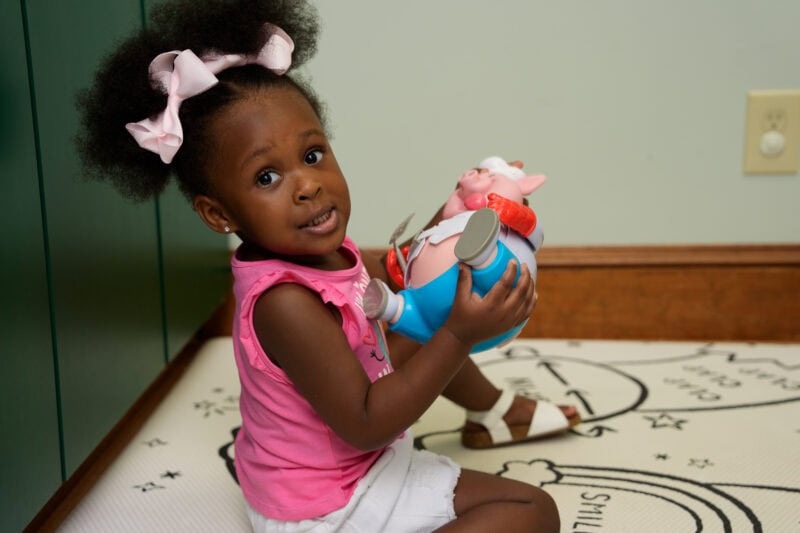
- Language Sampling/Play-Based Activities: For younger children, we may use play to assess communication in a more relaxed and age-appropriate setting.
3. Scoring and Analysis
After the session, the speech-language pathologist (SLP) will review and score all of the assessments. We look at how your child’s skills compare to typical developmental expectations for their age. We also analyze any patterns or error types to help inform diagnosis and treatment planning.
4. Reviewing the Results
We will schedule a time to go over the evaluation findings with you. During this meeting, we’ll explain:
- What we observed
- How your child performed on the tests
- Any areas of concern or strengths
- Whether speech-language therapy is recommended and what it would focus on
You’ll have time to ask questions, share your perspective, and discuss next steps.
5. Written Report
You’ll receive a detailed written report that includes:
- Background information
- Assessment tools and observations
- Test scores and interpretation
- Diagnoses (if applicable)
- Recommendations for therapy or follow-up
This report can also be shared with your child’s pediatrician, school, or other professionals if needed.
What to Expect During Speech & Language Therapy
A speech therapy session is much more than just “talking practice” or “playing games.” Each visit reflects years of professional training and a carefully structured process tailored to your child. Here’s what’s included:
1. Preparation & Planning
- The therapist reviews prior session notes, goals, and progress before each session.
- Activities are selected and often customized (materials, visuals, games, apps, or handouts) to match your child’s needs and interests.
2. Therapy Time
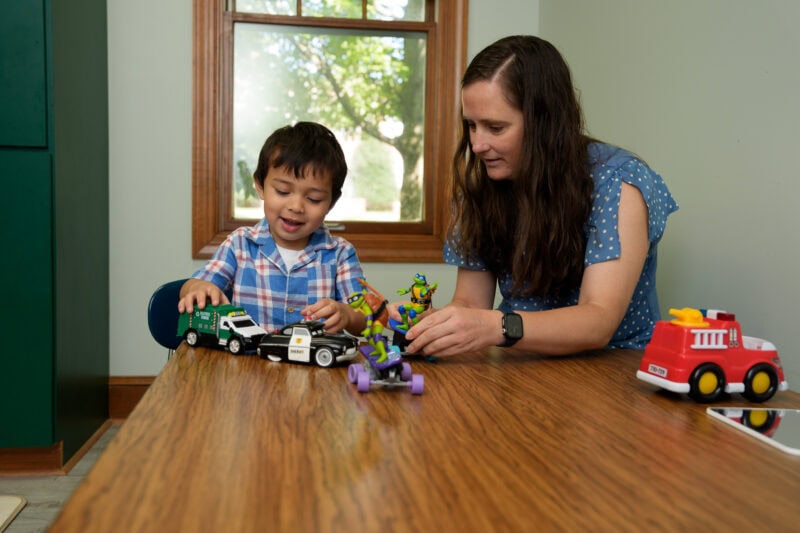
- Direct, one-on-one (or small group) intervention focused on specific goals—such as speech sound production, expressive/receptive language, social communication, fluency, or voice.
- Sessions incorporate engaging activities that motivate the child while systematically teaching new skills.
- Data is collected throughout to track progress.
3. Parent/Caregiver Collaboration
- The therapist explains what was targeted in your child’s session and why.
- Strategies, activities, or carry-over practice are shared so you can support progress at home!
4. Documentation
- Following each session, the therapist documents goals addressed, strategies used, data collected, and recommendations for next time.
- This documentation is required for progress monitoring, insurance billing, and future planning.
5. Behind the Scenes
- Ongoing progress monitoring and goal adjustment.
- Development of treatment plans.
- Coordination with teachers, doctors, or other professionals.
- Preparation of reports required for insurance or school services.